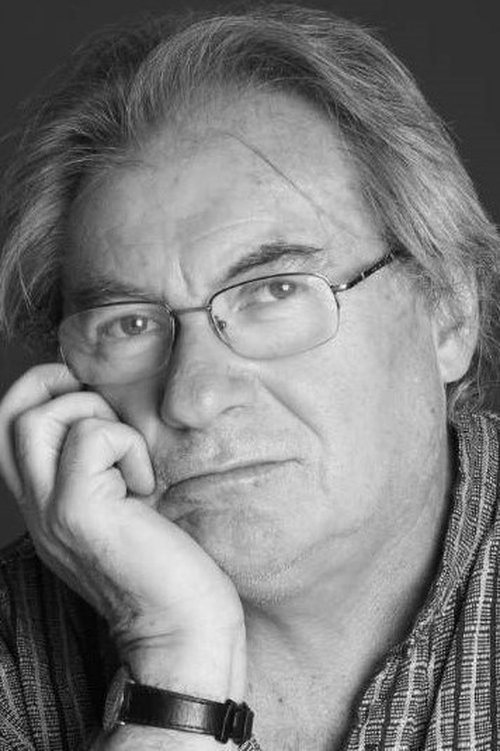
Ignacio Agüero stands as a leading figure in Chilean documentary filmmaking. His academic background includes studies in Architecture and Cinema, culminating in a degree as Artistic Director with a cinema specialization from the Universidad Católica de Chile's School of Communication Arts in 1979. He played a pivotal role as a founding member and inaugural president of Chile's Association of Documentary Filmmakers.
While gaining recognition for his independent documentaries, Agüero has worn many hats—producer, editor, cinematographer, actor, and juror at both national and international competitions. A significant moment came in 1988 when he co-directed and edited "La Franja del NO," the television broadcast that contributed to the plebiscite ending Augusto Pinochet's dictatorship.
Alongside his personal filmmaking, he has created numerous television commissions domestically and abroad, including "Neruda, all the love" (1998) for Canal + Spain and episodes of "Heredia & asociados." Through his production company, he produced "Maldito corazón" (2011) for Chilevisión, a series examining historical Chilean crimes.
His debut film "No olvidar" (1982) addressed the Lonquén Ovens Massacre. The landmark "One Hundred Children Waiting for a Train" (1988) earned the top documentary prize at Havana Film Festival. Subsequent acclaimed works include "Dreams of Ice" (1993), "Aquí se construye" (2000), "La mamá de mi abuela le contó a mi abuela" (2004), "El diario de Agustín" (2008), and "El otro día" (2012), which won the 2014 Altazor Award—his fourth.
Agüero has led workshops across Latin America and Europe, and serves as associate professor at Universidad de Chile's ICEI, coordinating its Master's in Documentary Film.
While gaining recognition for his independent documentaries, Agüero has worn many hats—producer, editor, cinematographer, actor, and juror at both national and international competitions. A significant moment came in 1988 when he co-directed and edited "La Franja del NO," the television broadcast that contributed to the plebiscite ending Augusto Pinochet's dictatorship.
Alongside his personal filmmaking, he has created numerous television commissions domestically and abroad, including "Neruda, all the love" (1998) for Canal + Spain and episodes of "Heredia & asociados." Through his production company, he produced "Maldito corazón" (2011) for Chilevisión, a series examining historical Chilean crimes.
His debut film "No olvidar" (1982) addressed the Lonquén Ovens Massacre. The landmark "One Hundred Children Waiting for a Train" (1988) earned the top documentary prize at Havana Film Festival. Subsequent acclaimed works include "Dreams of Ice" (1993), "Aquí se construye" (2000), "La mamá de mi abuela le contó a mi abuela" (2004), "El diario de Agustín" (2008), and "El otro día" (2012), which won the 2014 Altazor Award—his fourth.
Agüero has led workshops across Latin America and Europe, and serves as associate professor at Universidad de Chile's ICEI, coordinating its Master's in Documentary Film.