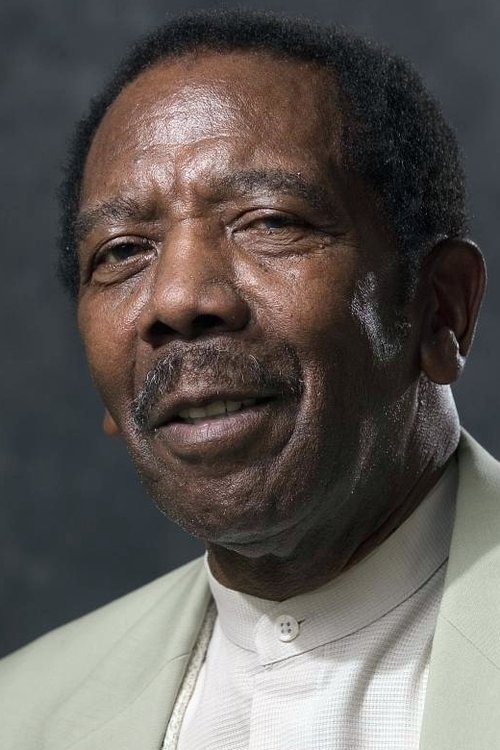
James Oscar Smith (December 8, 1928 – February 8, 2005) was a groundbreaking American jazz organist whose innovative use of the Hammond B-3 organ bridged the worlds of jazz and soul music, particularly in the 1960s. In recognition of his significant contributions to the genre, Smith was honored with the prestigious NEA Jazz Masters Award from the National Endowment for the Arts in 2005.
Born in Norristown, Pennsylvania, Smith began performing at a young age, joining his father in a song-and-dance act at just six years old. He honed his musical skills by teaching himself piano and gained early acclaim as a boogie-woogie pianist, winning a radio talent contest at nine. After serving in the U.S. Navy, he pursued formal music studies and developed a passion for the Hammond organ in the early 1950s.
Smith's breakthrough came when Blue Note Records signed him after hearing his performance in a Philadelphia club. His second album, *The Champ*, catapulted him to fame, establishing him as a leading figure in jazz. Over the next eight years, he produced approximately forty albums for Blue Note, including *The Sermon!*, *Back at the Chicken Shack*, and *Prayer Meetin’*.
In 1962, he transitioned to Verve Records, where he collaborated with big-band leaders like Oliver Nelson and recorded with guitar legend Wes Montgomery. His live performances, often featuring a trio format, captivated audiences, and he made notable appearances in films like *Get Yourself a College Girl*. In the 1970s, Smith opened a supper club in North Hollywood and recorded the influential live album *Root Down*, which resonated with future funk and hip-hop artists. Smith's legacy as a pioneering musician remains influential to this day.
Born in Norristown, Pennsylvania, Smith began performing at a young age, joining his father in a song-and-dance act at just six years old. He honed his musical skills by teaching himself piano and gained early acclaim as a boogie-woogie pianist, winning a radio talent contest at nine. After serving in the U.S. Navy, he pursued formal music studies and developed a passion for the Hammond organ in the early 1950s.
Smith's breakthrough came when Blue Note Records signed him after hearing his performance in a Philadelphia club. His second album, *The Champ*, catapulted him to fame, establishing him as a leading figure in jazz. Over the next eight years, he produced approximately forty albums for Blue Note, including *The Sermon!*, *Back at the Chicken Shack*, and *Prayer Meetin’*.
In 1962, he transitioned to Verve Records, where he collaborated with big-band leaders like Oliver Nelson and recorded with guitar legend Wes Montgomery. His live performances, often featuring a trio format, captivated audiences, and he made notable appearances in films like *Get Yourself a College Girl*. In the 1970s, Smith opened a supper club in North Hollywood and recorded the influential live album *Root Down*, which resonated with future funk and hip-hop artists. Smith's legacy as a pioneering musician remains influential to this day.